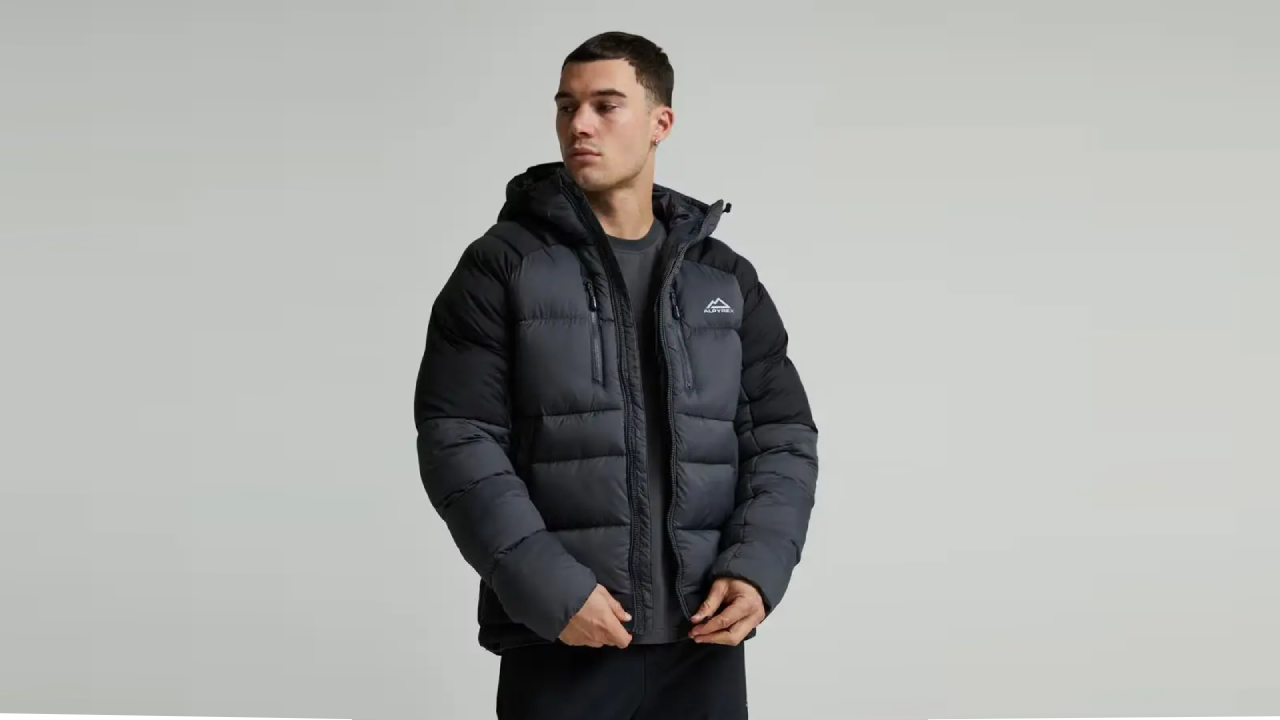
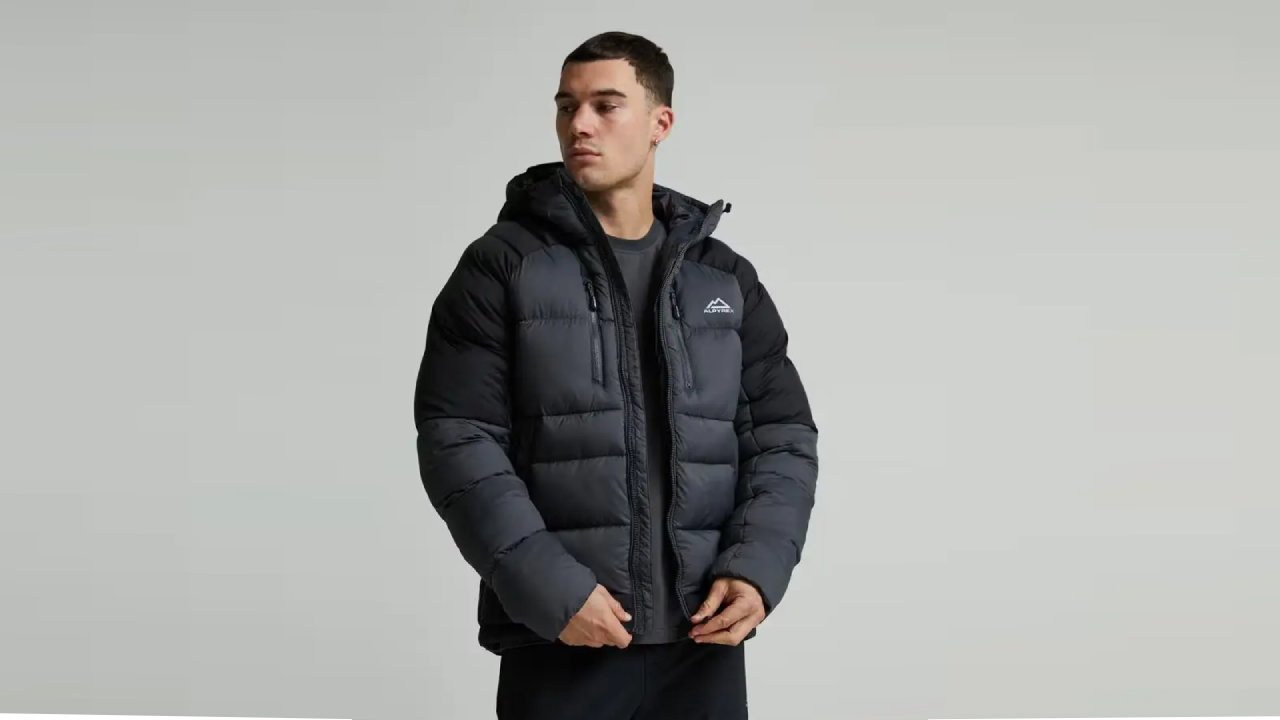
How to Pick the Warmest Winter Jacket for 2026


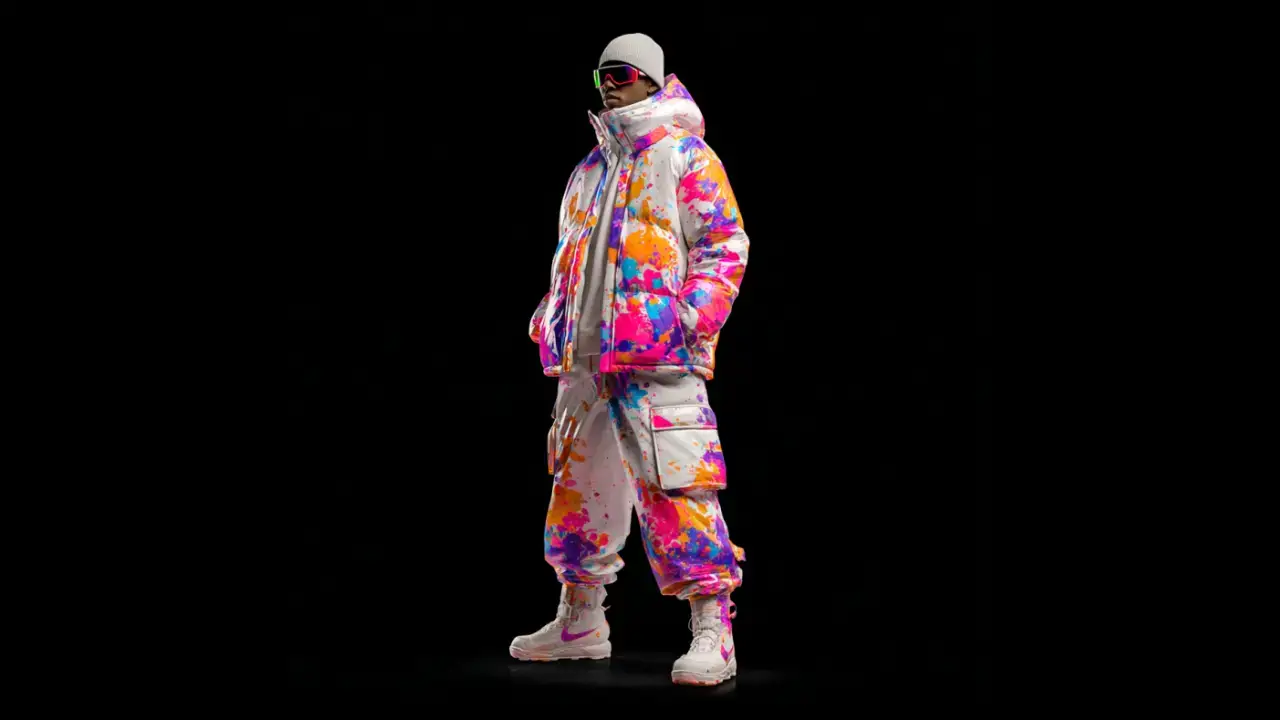
The warmest winter jacket for UK conditions is a well-insulated puffer with a high fill weight, a windproof outer shell and a snug but layerable fit. At alpyrex, we build our outerwear with this exact combination in mind, so you stay warm from the first frost through to late February without overheating indoors.
Key takeaways
- Warmth comes from trapped air, so fill weight and a windproof shell matter more than fabric thickness alone
- Sizing up slightly allows for layering without compressing insulation and reducing warmth
- Match jacket length and fit to how long you’re actually outdoors, not just the coldest possible scenario
- Dark, muted colourways like Jet Black and Urban Charcoal suit repeat winter outfits more than warmth directly
- A full winter system (beanie, layered tops, lined pants) works better than relying on one very thick jacket
Picking the right coat isn’t just about grabbing the thickest-looking jacket on the rail. Fit, fabric, insulation type and how you plan to layer underneath all matter as much as the puffer’s loft. This guide walks through what actually keeps you warm, how to judge a jacket before you buy, and how alpyrex pieces fit into a proper winter wardrobe.
What Actually Makes a Winter Jacket Warm
Warmth comes from trapped air, not fabric thickness alone. A jacket with lofty synthetic or down-style fill traps more warm air against your body than a thin shell ever could, which is why alpyrex puffer jackets focus on fill distribution across the chest, back and arms rather than just bulk.
The outer shell matters too. A windproof, tightly woven fabric stops cold air stripping away the heat your insulation has trapped, so look for jackets described as windproof or wind-resistant rather than just “warm” in the product copy. Stitched baffles that keep the fill evenly spread also matter: without them, insulation can shift over time and leave thin patches across the shoulders or lower back, which is exactly where you feel the cold first on a long commute.
Breathability plays a role too. A jacket that traps too much moisture against your skin during brisk walking or carrying bags can leave you colder once you stop moving, so a lining with some moisture-wicking property is worth checking for if you’re active outdoors rather than just standing still.
Choosing the Warmest Winter Jacket for Your Winter Routine
Someone doing a daily dog walk in Asphalt grey needs different warmth levels to someone standing at a bus stop for ten minutes. Be honest about how long you’re actually outdoors, because overdressing for short exposure just means carrying a jacket you’ll unzip within minutes.
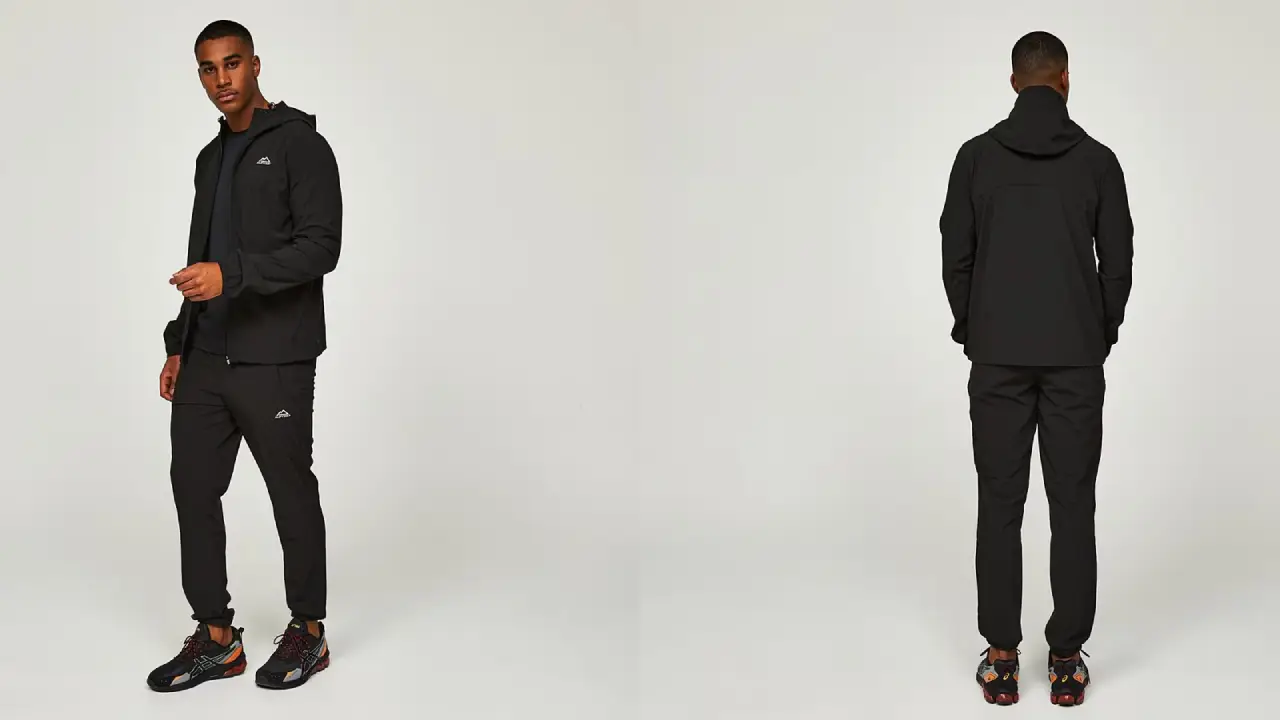
For long outdoor stretches, a longline puffer or parka-style coat with a drawstring hem keeps warm air in around your waist. For short bursts of cold, a mid-length jacket in Jet Black or Urban Charcoal with a zip-through hoodie underneath often does the job without the extra bulk. The warmest winter jacket on paper isn’t always the right choice if it leaves you overheating on a short dash to the shops.
Layering Underneath
A good winter system starts closer to your skin, not with the jacket itself. A fitted t-shirt, a zip hoodie, then your jacket on top gives you three adjustable layers you can add or remove as the day warms up, which is far more practical than one single very thick coat. If you’re wondering whether a hoodie works under outerwear at all, our piece on wearing an alpyrex hoodie under a coat covers that layering question in more detail.
Fit, Mobility and the Warmest Winter Jacket Myth
A jacket that’s too tight compresses the insulation and reduces the trapped air that keeps you warm, so sizing up slightly for winter wear is often the right call, not a mistake. Check the shoulders and sleeve length can accommodate a hoodie underneath without pulling at the seams.
Too loose, though, and cold air moves freely inside the jacket, undoing the insulation’s job. The warmest winter jacket for your frame is the one that sits close enough to trap heat but still lets your arms move freely when you’re carrying one of the alpyrex bags collection on your back or shoulder. A jacket with slightly dropped shoulders also gives a bit more room for a rucksack strap without bunching the fabric across your back.
Reading alpyrex Product Descriptions Like a Stylist
Colourway names like Dress Blue, Jet Black and Urban Charcoal don’t tell you about warmth directly, but they do hint at how easily a jacket hides everyday wear and tear through a hard winter. Darker, muted tones also pair more easily with the pants, beanies and t-shirts already in your wardrobe, which matters when you’re building a repeatable winter rotation rather than a one-off outfit.
Look past the colour description to fit notes: relaxed, regular or slim. A relaxed fit from alpyrex generally has more room for layering, while a slim cut suits those who run warm or prefer a single thick base layer underneath. It’s worth reading the fabric composition line too, since a higher synthetic fill percentage often means better warmth retention once the jacket gets slightly damp, which matters more in a wet UK winter than in a drier, colder climate.
| Jacket Style | Best For | Layering Room |
|---|---|---|
| Longline puffer | Long outdoor exposure, commuting | Hoodie + tee |
| Mid-length jacket | Short errands, school run | Tee or light hoodie |
| Hooded parka style | Wet, windy conditions | Hoodie + tee |
Building a Full Winter Wardrobe Around the Warmest Winter Jacket
The warmest winter jacket works best as the top layer of a wider system, not a single solution on its own. Pair it with a beanie for head warmth, since a huge amount of body heat escapes through an uncovered head, and a pair of lined or fleece-backed pants for the colder months. For a wider look at how alpyrex outerwear fits into everyday British style, our guide to alpyrex jackets for every season is worth a read before you shop the full range at alpyrex.
If you’re planning a layered winter look with a tracksuit for lounging days at home, our tracksuit sizing guide is a useful companion piece once you’ve settled on your jacket.
Frequently Asked Questions
What makes one alpyrex jacket warmer than another?
Fill weight, shell density and length all affect warmth. A longer, denser-filled jacket with a windproof shell will generally outperform a shorter, lighter style in genuinely cold conditions.
Should I size up for winter jackets?
Yes, slightly. A little extra room allows for a hoodie or jumper underneath without compressing the insulation, which keeps the jacket performing as intended.
Are darker colourways like Jet Black warmer than lighter ones?
Colour has a negligible effect on warmth once you’re wearing a jacket; insulation and shell fabric do the real work. Darker tones are chosen more for versatility and hiding marks through winter.
Can I wear a puffer jacket with a tracksuit?
Yes, a puffer jacket works well over a tracksuit top for cold-weather lounging or short outdoor trips, giving you warmth without needing a separate smart-casual outfit.
How do I know if a jacket is genuinely windproof?
Check the product description for specific wind-resistance or windproof wording rather than assuming from fabric weight alone, since a thick fabric isn’t always a tightly woven one.
Choosing the warmest winter jacket is really about matching insulation, fit and layering to how you actually spend your winter days. Browse the current alpyrex range to find the jacket, beanie and pants combination that suits your routine this year.